
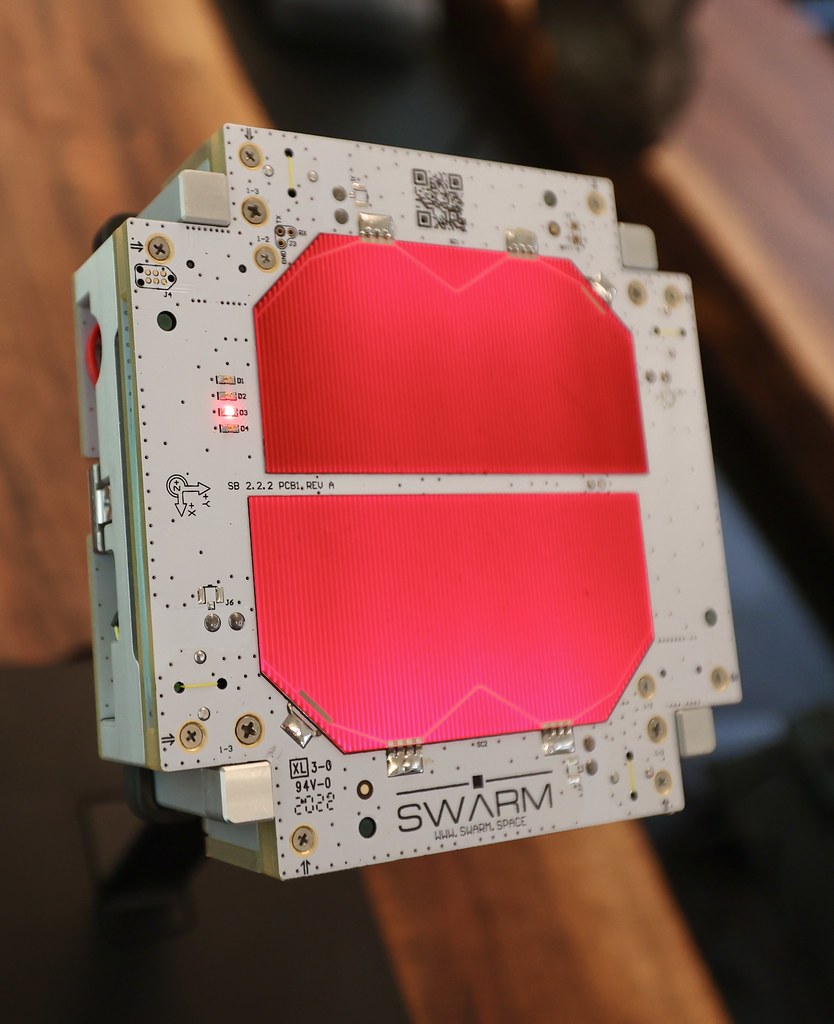
CubeSats for IoT are paving the way for advanced connectivity solutions. Sateliot has successfully launched five Alén Space-built CubeSats for its Draconis 5G NTN IoT mission.
Introduction to Sateliot’s Mission
Sateliot is at the forefront of revolutionizing the Internet of Things (IoT) through its innovative use of CubeSats. These small, cost-effective satellites are designed to enhance connectivity for IoT devices, enabling seamless data transmission across vast distances. The recent launch of five Alén Space-built CubeSats marks a significant milestone in Sateliot’s mission to provide reliable 5G connectivity in non-terrestrial networks (NTN).
With a commitment to bridging the digital divide, Sateliot aims to empower various industries by employing CubeSats for IoT applications. This initiative allows for real-time data collection and monitoring, which is essential for sectors such as agriculture, logistics, and environmental monitoring. By integrating CubeSats into the IoT ecosystem, Sateliot is paving the way for smarter cities and enhanced operational efficiency.
As Sateliot continues to advance its technology, the potential for CubeSats in IoT is becoming increasingly apparent. The combination of their small size, low cost, and high functionality makes them a game-changer in the realm of satellite communications, opening up new possibilities for global connectivity and data-driven solutions.
What are CubeSats?
CubeSats, or Cube Satellites, are small, cost-effective satellites that have revolutionized the field of satellite technology. Typically measuring just 10 cm x 10 cm x 10 cm, these miniature satellites are designed for a variety of applications, including Earth observation, technology demonstration, and scientific research. Their compact size allows for a more economical and flexible approach to satellite deployment.
One of the most exciting advancements in CubeSat technology is its integration with the Internet of Things (IoT). CubeSats for IoT enable real-time data collection and transmission from remote locations, making them ideal for applications such as environmental monitoring, agricultural management, and disaster response.
CubeSats are generally built using standardized components, which not only reduces costs but also accelerates the development timeline. This standardization has led to a surge in the number of CubeSats being launched, with organizations like Sateliot leading the charge in deploying these innovative platforms.
As a result, CubeSats are increasingly becoming a vital part of global communication networks, particularly in connecting IoT devices in areas where traditional infrastructure is lacking.
The Importance of 5G NTN
The advent of 5G non-terrestrial networks (NTN) has revolutionized the way we connect devices in the Internet of Things (IoT) landscape. With the deployment of CubeSats for IoT, this advanced communication technology paves the way for unprecedented connectivity, especially in remote and underserved areas.
5G NTN leverages satellite technology to deliver high-speed internet connectivity, enhancing the capabilities of IoT devices. The integration of CubeSats enables seamless data transmission, ensuring that critical information can be relayed in real-time, regardless of geographic barriers.
Key benefits of 5G NTN include:
- Global Coverage: Satellite networks can provide services in regions where terrestrial networks are unavailable.
- Low Latency: 5G NTN minimizes delays, making it suitable for applications requiring instant communication.
- Scalability: The deployment of CubeSats allows for flexible expansion of network capacity as demand grows.
As demonstrated by Sateliot’s recent launch of five CubeSats, the future of IoT is bright, with 5G NTN set to play a crucial role in enhancing connectivity across the globe.
Alén Space’s Role in the Launch
Alén Space has played a pivotal role in the recent launch of five CubeSats for Sateliot’s Draconis 5G NTN IoT mission. These small satellites are designed to enhance Internet of Things (IoT) connectivity through advanced technology and strategic placement in orbit. By leveraging Alén Space’s expertise in satellite design and manufacturing, Sateliot aims to create a robust network that facilitates seamless communication for various IoT applications.
The CubeSats, built by Alén Space, are equipped with cutting-edge features that enable them to operate effectively in the challenging environment of space. Their compact size and lightweight structure make them ideal for launching in clusters, maximizing payload efficiency and reducing costs. This innovative approach not only accelerates the deployment of essential communication infrastructure but also supports the growing demand for reliable IoT services.
As Sateliot continues to expand its capabilities, the collaboration with Alén Space highlights the importance of partnerships in the rapidly evolving satellite communications landscape. The integration of CubeSats for IoT promises to revolutionize how devices connect and communicate, paving the way for smarter cities and enhanced connectivity across various sectors.
Impact on IoT Connectivity
The recent launch of five Alén Space-built CubeSats marks a significant advancement in the realm of IoT connectivity. These small yet powerful satellites are designed to enhance communication capabilities for various Internet of Things (IoT) applications. By utilizing CubeSats for IoT, Sateliot aims to bridge the connectivity gap in remote and underserved areas.
The impact of these CubeSats extends beyond mere connectivity; they also facilitate the integration of 5G New Technology Networks (NTN) into everyday life. This integration allows for:
- Real-time data transfer: Enabling immediate communication between devices.
- Lower latency: Reducing delays in data transmission, which is crucial for time-sensitive applications.
- Wider coverage: Providing service to locations where traditional networks may not reach.
As Sateliot continues to expand its constellation of CubeSats, the potential for innovative IoT solutions grows. These advancements will not only revolutionize industries such as agriculture and logistics but will also pave the way for smarter cities and a more connected world.
Future of Satellite Technology
The future of satellite technology is rapidly evolving, particularly with the integration of CubeSats for IoT applications. These small, cost-effective satellites are revolutionizing how we connect devices and gather data across vast distances.
As satellite technology advances, several key trends are emerging:
- Enhanced Connectivity: CubeSats for IoT are set to provide improved global coverage, enabling remote areas to access vital services and data.
- Cost Efficiency: The lower launch costs associated with CubeSats make them an attractive option for companies looking to deploy IoT solutions without breaking the bank.
- Scalability: The modular nature of CubeSats allows for easy scaling of satellite constellations, accommodating increasing demands for connectivity.
- Innovation in Technology: Ongoing advancements in miniaturization and communication technologies are paving the way for more sophisticated CubeSats, enhancing their capabilities.
As we move forward, the synergy between CubeSats and IoT will likely unlock new possibilities, driving innovation and expanding the horizons of satellite communications. The integration of these technologies promises to create a more interconnected world.
Conclusion and Next Steps
In conclusion, the successful launch of five CubeSats by Sateliot marks a significant advancement in the realm of IoT connectivity. This mission not only exemplifies the potential of CubeSats for IoT but also sets the stage for future innovations in satellite technology. The integration of 5G NTN capabilities will revolutionize how devices communicate, enabling faster and more reliable connections across various sectors.
As we look ahead, there are several key steps to consider:
- Expansion of Network: The deployment of additional CubeSats will enhance coverage and capacity, facilitating a more robust IoT ecosystem.
- Collaboration with Industries: Engaging with different sectors such as agriculture, logistics, and smart cities will maximize the utility of IoT solutions powered by satellite technology.
- Research and Development: Continued investment in R&D will drive innovation, ensuring that CubeSats adapt to the evolving needs of IoT applications.
By leveraging the capabilities of CubeSats for IoT, Sateliot is poised to lead a new era of connectivity, bridging gaps in remote areas and enhancing global communication networks. The journey has just begun, and the possibilities are endless.
CubeSats for IoT have revolutionized the way we connect devices in remote areas, providing reliable communication solutions. The success of Sateliot’s launch showcases the immense potential of CubeSats for IoT in enhancing global connectivity.
By jurvetson via Openverse