
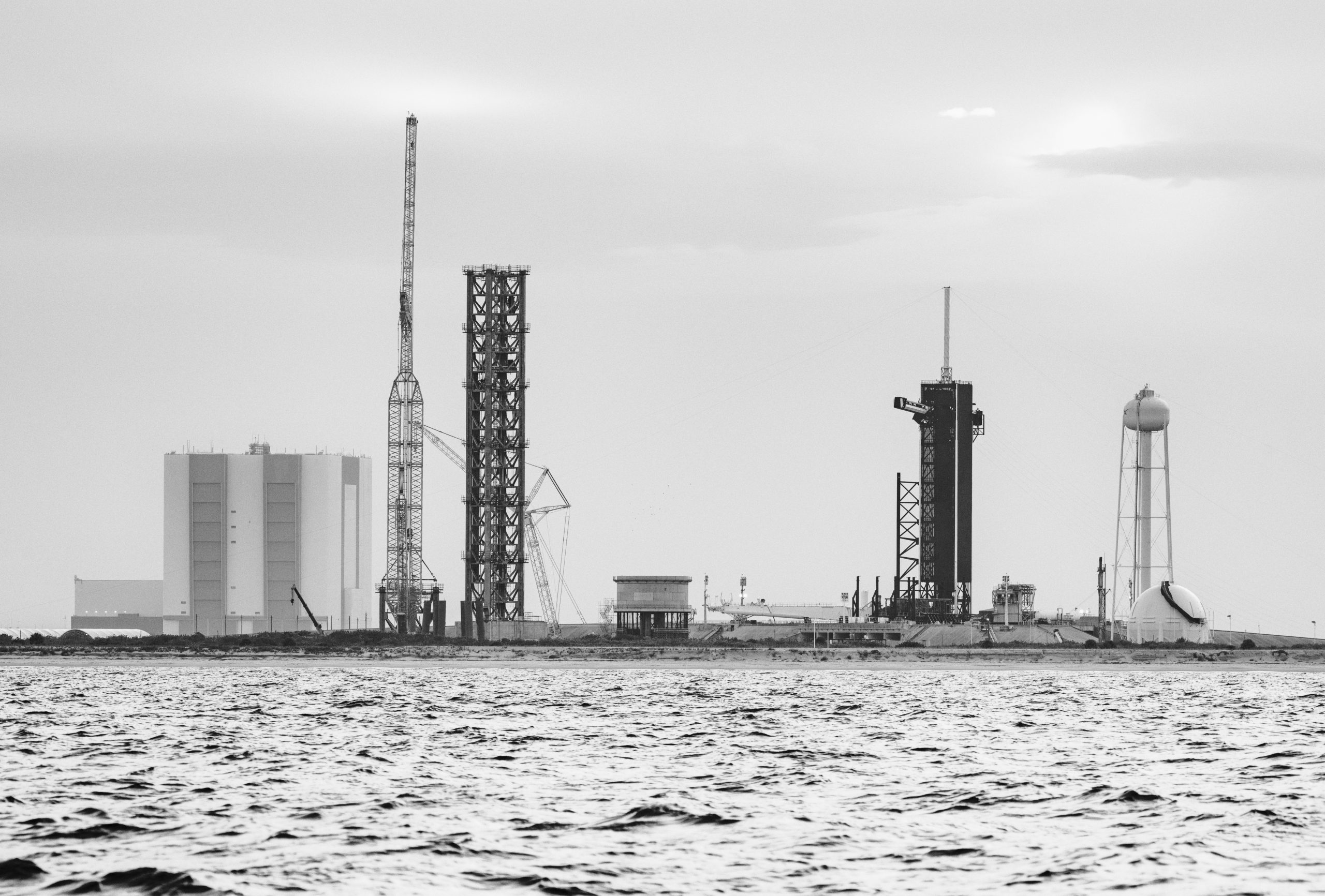
SpaceX Starship launch is gearing up for its first orbital mission, marking a significant milestone in the company’s quest for space exploration.
Overview of SpaceX Starship
The SpaceX Starship launch signifies a monumental step in space exploration and technology. This ambitious spacecraft is designed to carry both crew and cargo to a variety of destinations, including the Moon, Mars, and beyond. With the capability to transport large payloads, the Starship represents a significant advancement in reusable rocket technology.
At the heart of the SpaceX Starship is its two-stage system, comprising the Super Heavy booster and the Starship spacecraft. This innovative design allows for maximum efficiency and versatility, paving the way for a new era of space travel.
Key features of the SpaceX Starship include:
- Reusability: The Starship is engineered for quick turnaround times, enabling multiple missions with minimal refurbishment.
- Capacity: Its large interior can accommodate up to 100 passengers, making it suitable for both commercial and scientific missions.
- Technological advancements: The spacecraft utilizes cutting-edge materials and systems, enhancing performance and safety.
As SpaceX prepares for the first orbital launch of the Starship, anticipation builds within the aerospace community and among space enthusiasts. The success of this mission could redefine the future of space travel and exploration, solidifying SpaceX’s position as a leader in the industry.
Importance of the First Orbital Launch
The upcoming SpaceX Starship launch marks a significant milestone in the quest for space exploration and the future of interplanetary travel. Successfully achieving the first orbital launch is crucial for several reasons.
First, it serves as a demonstration of SpaceX’s engineering prowess and innovative technology. This launch will validate the design and functionality of the Starship spacecraft, providing critical data for future missions.
Second, the outcome of this launch could influence the trajectory of commercial spaceflight. A successful orbital launch will likely attract more investments and partnerships in the aerospace sector, stimulating advancements that could benefit various industries.
Moreover, the implications for scientific research are profound. If the Starship can reach orbit successfully, it would pave the way for missions to the Moon, Mars, and beyond, expanding our understanding of the universe and our place within it.
Finally, this launch embodies the spirit of international cooperation in space exploration. As SpaceX collaborates with global partners, it exemplifies how shared goals can unite nations in the pursuit of knowledge and discovery.
In summary, the importance of the first orbital launch of the SpaceX Starship cannot be overstated. It represents a pivotal step towards redefining humanity’s relationship with space and unlocking new possibilities for exploration.
Timeline for the Launch
As SpaceX prepares for the highly anticipated launch of its Starship spacecraft, a detailed timeline has emerged outlining the key events leading up to the historic moment. This timeline is crucial for understanding the intricate steps involved in achieving a successful orbital launch.
- Initial Preparations: SpaceX began the preparations several months ago, with extensive testing of the Starship prototypes to ensure all systems are functioning optimally.
- Final Assembly: In the weeks leading up to the launch, teams have been focused on the final assembly of the Starship and its Super Heavy booster, ensuring that everything meets safety and performance standards.
- Fueling Tests: Just days before the launch, SpaceX conducted fueling tests to simulate the conditions of a real launch, allowing engineers to identify any potential issues.
- Launch Window: The current launch window is set for next week, with favorable weather conditions and technical readiness being assessed continuously.
- Countdown Procedures: A comprehensive countdown procedure will be initiated, leading to the final moments before liftoff, where every second will be meticulously monitored.
The successful execution of this timeline is vital for the SpaceX Starship launch, which aims to demonstrate the spacecraft’s capabilities and pave the way for future missions beyond Earth.
Technological Innovations in Starship
SpaceX has integrated several groundbreaking technological innovations into the design and functionality of its Starship spacecraft, positioning it as a leader in the quest for space exploration. These advancements reflect the company’s commitment to not only achieving a successful launch but also to redefining the possibilities of human spaceflight.
One key feature of the SpaceX Starship launch system is its fully reusable architecture. This approach significantly reduces the cost of access to space, allowing for more frequent missions and greater payload capacity. The ability to recover and refurbish both the first and second stages of the rocket is a game-changer in the aerospace industry.
Additionally, the Starship utilizes advanced materials such as stainless steel, which provides both strength and thermal resistance necessary for re-entry. This choice of material enhances the spacecraft’s durability while maintaining a lighter weight, thus improving overall performance.
Another innovation is the Raptor engine, which employs a unique full-flow staged combustion cycle. This technology not only maximizes efficiency but also propels the spacecraft with unprecedented thrust levels. The Raptor engines are designed to run on methane and liquid oxygen, further optimizing the fuel economy.
These technological strides are crucial as SpaceX prepares for the historic launch of Starship, aimed at paving the way for future interplanetary missions.
Challenges Ahead for SpaceX
As SpaceX gears up for its highly anticipated Starship launch, several challenges loom on the horizon. The complexity of achieving a successful orbital launch with such a pioneering spacecraft cannot be underestimated. SpaceX faces a range of technical and regulatory hurdles that could impact the timeline of this monumental event.
- Regulatory Approvals: SpaceX must navigate a labyrinth of regulatory requirements to ensure compliance with safety and environmental standards. Delays in receiving necessary permits could push back the launch date significantly.
- Technical Challenges: Despite extensive testing, the Starship’s performance in a full mission scenario remains unproven. Engineers must address any potential issues that arise during pre-launch tests, which could necessitate modifications to the spacecraft.
- Logistical Coordination: Launching Starship involves coordination among various teams and facilities. Any misalignment in logistics could jeopardize the launch schedule, underscoring the importance of seamless communication.
Furthermore, weather conditions play a critical role in launch readiness. Unfavorable weather can lead to last-minute delays, which are particularly concerning given the high stakes of the SpaceX Starship launch. The team remains optimistic, yet vigilant, as they prepare to tackle these challenges head-on in their pursuit of becoming the first private company to reach orbit with a fully reusable spacecraft.
Public Interest in Space Exploration
The upcoming SpaceX Starship launch has ignited a surge of public interest in space exploration, captivating the imaginations of people around the globe. As humanity stands on the brink of a new era in space travel, the anticipation surrounding this monumental event is palpable.
Recent surveys indicate that the public’s fascination with space has grown significantly, with many expressing a desire to witness the advancements that companies like SpaceX are making. The Starship project, with its ambitious goal to facilitate manned missions to Mars and beyond, has become a focal point for enthusiasts and casual observers alike.
Factors contributing to this heightened interest include:
- Increased media coverage: The extensive reporting on SpaceX’s preparations for the Starship launch has brought the topic of space exploration into mainstream discussions.
- Educational initiatives: Schools and organizations are incorporating space-related projects and events, inspiring the next generation of scientists and engineers.
- Community engagement: Local events and online forums have emerged, allowing individuals to share their excitement and knowledge about space travel.
As the scheduled date for the Starship launch approaches, the enthusiasm surrounding this event serves as a reminder of humanity’s enduring quest to explore the cosmos. With each milestone, SpaceX is not just advancing technology but also rekindling a collective dream of reaching new frontiers.
Comparing Starship to Other Rockets
As the SpaceX Starship launch approaches, comparisons with other launch vehicles become increasingly relevant. SpaceX has positioned Starship as a revolutionary spacecraft, designed to outperform traditional rockets in several key areas.
When evaluating the capabilities of Starship against its competitors, several factors stand out:
- Payload Capacity: Starship boasts a remarkable payload capacity of over 100 metric tons, significantly higher than that of the Falcon 9 and even the heavy-lift options from other providers like NASA’s Space Launch System (SLS).
- Reusability: Unlike many conventional rockets that are single-use, Starship is designed for rapid reusability, which aims to lower the cost of access to space and increase launch frequency.
- In-orbit Refueling: Starship’s capability for in-orbit refueling opens new pathways for deep-space missions, allowing it to carry larger payloads beyond low Earth orbit compared to alternatives.
- Versatility: Starship can serve multiple purposes, from satellite deployment to crewed missions to Mars, giving it an edge over specialized launch vehicles.
In summary, the upcoming SpaceX Starship launch represents not just a pivotal moment for the company, but a potential shift in the entire landscape of space travel and exploration, challenging established norms and setting a new standard for future missions.
Future Missions Planned by SpaceX
SpaceX has ambitious plans for future missions following the inaugural SpaceX Starship launch. As the company seeks to establish a robust presence in space exploration, several key objectives have been outlined for upcoming projects.
- Lunar Missions: SpaceX aims to utilize Starship for crewed lunar landings, supporting NASA’s Artemis program, which intends to return humans to the Moon by the mid-2020s.
- Mars Colonization: One of the long-term goals of SpaceX is to facilitate human missions to Mars. Starship is designed to carry large numbers of passengers and cargo, making it integral to establishing a sustainable human presence on the Red Planet.
- Satellite Deployment: The versatility of Starship also allows for the deployment of numerous satellites in a single launch, enhancing global internet coverage through the Starlink program.
- Interplanetary Missions: Plans for missions beyond Mars include potential explorations of the asteroid belt and other celestial bodies, expanding our understanding of the solar system.
With these ambitious missions, SpaceX is not just focused on reaching orbit but is also paving the way for humanity’s future in the cosmos. The success of the Starship launch will be a critical milestone in achieving these visionary goals.
The SpaceX Starship launch has demonstrated remarkable capabilities in its recent test flights. Analysts believe that the SpaceX Starship launch represents the best proven path to orbit for future missions.
By Charles Boyer via Openverse
Where this came from
Related stories
SpaceX Starship Flight 14 Is a Smart Orbital Mission · Render Price Prediction: The Best Proven AI Token Insights · Apple Taction lawsuit: Record $5.7 Billion Verdict Shocks