
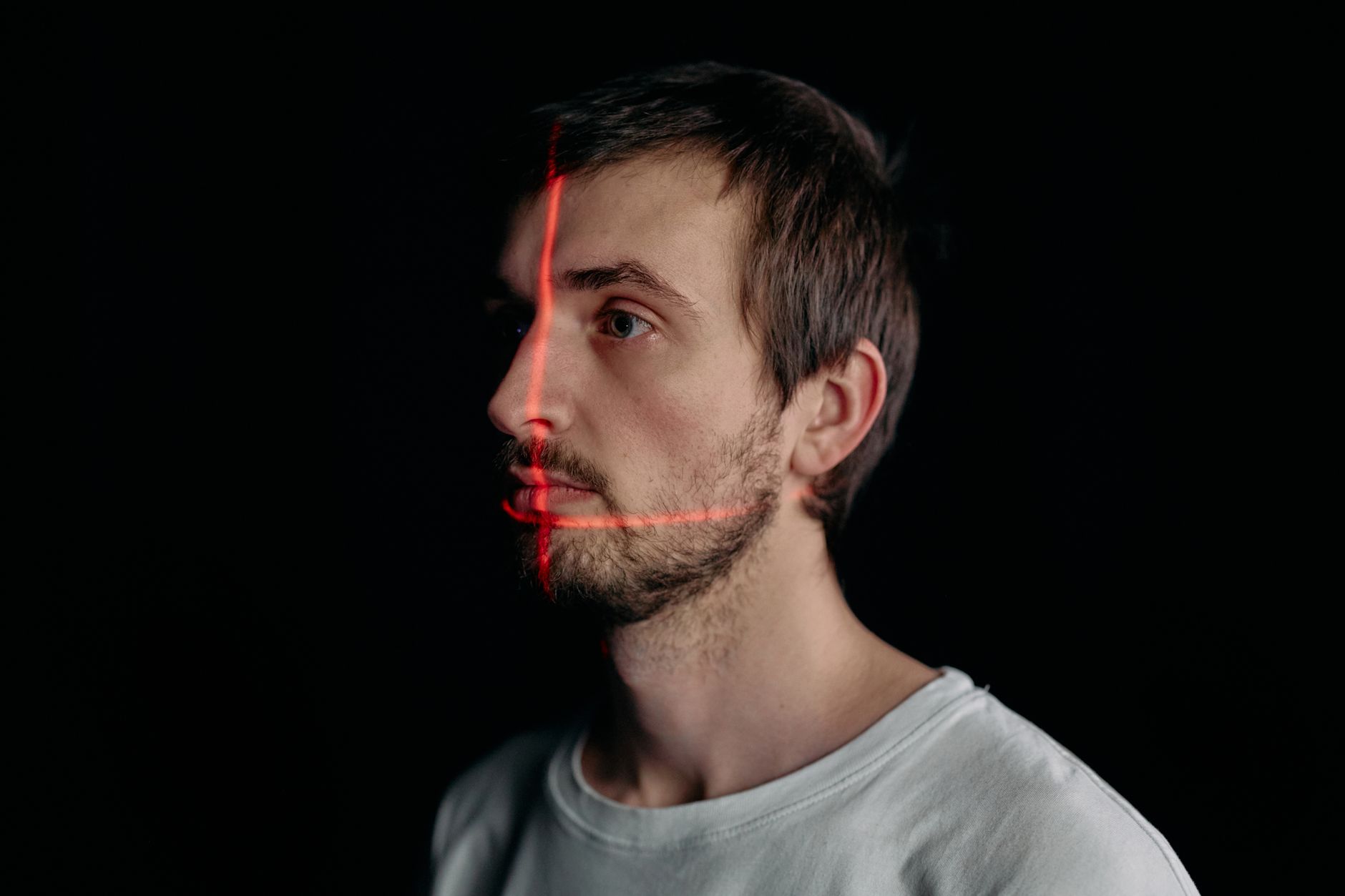
AI model for deepfake detection is making headlines as Dubai unveils the region’s first system designed to combat misinformation in videos. This innovative approach aims to enhance media integrity.
Understanding Deepfakes and Their Impact
Deepfakes are increasingly sophisticated synthetic media generated using artificial intelligence, which can manipulate videos and audio to create realistic but false representations of individuals. These technologies raise significant concerns in various domains, including misinformation, privacy violations, and security risks.
The impact of deepfakes is profound, as they can mislead audiences by creating believable yet fabricated content. This has serious implications for public trust, particularly in politics and media. Individuals can find themselves victims of slander or defamation as deepfake technology becomes more accessible, leading to potential reputational damage.
To combat these challenges, an AI model for deepfake detection has been introduced in Dubai, marking a significant step forward in the fight against misinformation. This innovative solution aims to identify manipulated content effectively, empowering users and organizations to discern authentic media from fabricated ones.
As deepfake technology continues to evolve, the importance of robust detection methods becomes clearer. With advancements like the AI model for deepfake detection, there is hope for restoring trust in visual media and safeguarding against the dangers posed by this emerging threat.
How the AI Model Works
The newly unveiled AI model for deepfake detection utilizes advanced algorithms to identify manipulated media. This cutting-edge technology operates by analyzing various attributes of videos and images to discern authenticity.
The AI model employs a multi-stage process that includes:
- Feature Extraction: The model examines pixel-level details, identifying anomalies that are often present in deepfake videos.
- Machine Learning: Trained on a diverse dataset, the AI recognizes patterns associated with authentic and fake content, improving its accuracy over time.
- Real-time Analysis: The system can evaluate video content instantaneously, allowing for immediate detection of potential deepfakes.
By leveraging deep learning techniques, the model enhances its ability to distinguish between genuine and altered media, making it a vital tool for combating misinformation. This AI model for deepfake detection not only addresses the rising concerns surrounding digital deception but also contributes to fostering trust in media authenticity.
As technology continues to evolve, the ongoing development of such AI models will play a crucial role in safeguarding the integrity of information shared across platforms.
The Importance of Video Verification
In an age where visual content is ubiquitous, the need for reliable video verification has never been more critical. The rise of deepfake technology poses significant challenges, undermining trust in media and creating potential risks for individuals and organizations. As deepfakes become increasingly sophisticated, the importance of an effective AI model for deepfake detection cannot be overstated.
Video verification serves several essential purposes:
- Maintaining Trust: With misinformation spreading rapidly, validated videos help maintain public trust in media sources.
- Protecting Individuals: By identifying deepfakes, individuals can protect themselves from defamation and privacy violations.
- Ensuring Accountability: Organizations can hold those responsible for creating harmful deepfakes accountable, fostering a safer digital environment.
The implementation of an AI model for deepfake detection, such as the one recently unveiled in Dubai, marks a significant step towards enhancing video verification. This advanced technology not only identifies manipulated content but also empowers users to discern authentic media, reinforcing confidence in the information they consume. As the digital landscape evolves, investing in robust verification tools will be paramount in combating the challenges posed by deepfakes.
Dubai’s Role in AI Innovation
Dubai has emerged as a pivotal player in the realm of artificial intelligence, particularly with its recent unveiling of the region’s first AI model for deepfake detection. This innovative solution is designed to combat the escalating threat posed by manipulated videos, ensuring the integrity of visual media in an era where misinformation can spread rapidly.
The launch of this AI model highlights Dubai’s commitment to fostering a technology-driven environment. The initiative aligns with the city’s broader goals to position itself as a global hub for AI innovation. By prioritizing the development of tools that enhance digital security, Dubai is setting a precedent for other cities and nations to follow.
Key stakeholders in this project include government entities, tech companies, and academic institutions, all collaborating to refine the AI model for deepfake detection. This partnership not only showcases the importance of multi-sector collaboration but also emphasizes the need for ongoing research and development in the field. As the technology evolves, it will be essential to stay ahead of emerging threats and ensure that the public can trust the media they consume.
- Significant investment in AI research
- Collaborative efforts among various sectors
- Focus on enhancing digital security
Future of Deepfake Detection Technology
The future of deepfake detection technology is increasingly promising, especially with the introduction of advanced AI models specifically designed for this purpose. As the prevalence of deepfake videos escalates, so does the urgency for effective detection methods. Experts predict that AI models for deepfake detection will evolve rapidly, incorporating more sophisticated algorithms and machine learning techniques.
One significant area of development is the integration of real-time detection capabilities. This advancement will allow users to verify the authenticity of videos as they are being streamed, thereby minimizing the risk of misinformation. Furthermore, ongoing research is expected to enhance the model’s ability to detect subtler manipulations in video content, making it more reliable against emerging deepfake techniques.
As governments and organizations recognize the implications of deepfake technology on society, investments in AI model development are likely to increase. This growing focus on video verification will not only help in combating misinformation but also bolster trust in digital media. Ultimately, the collaboration between tech developers and regulatory bodies will play a crucial role in shaping the landscape of deepfake detection technology for years to come.
Photo by cottonbro studio on Pexels